


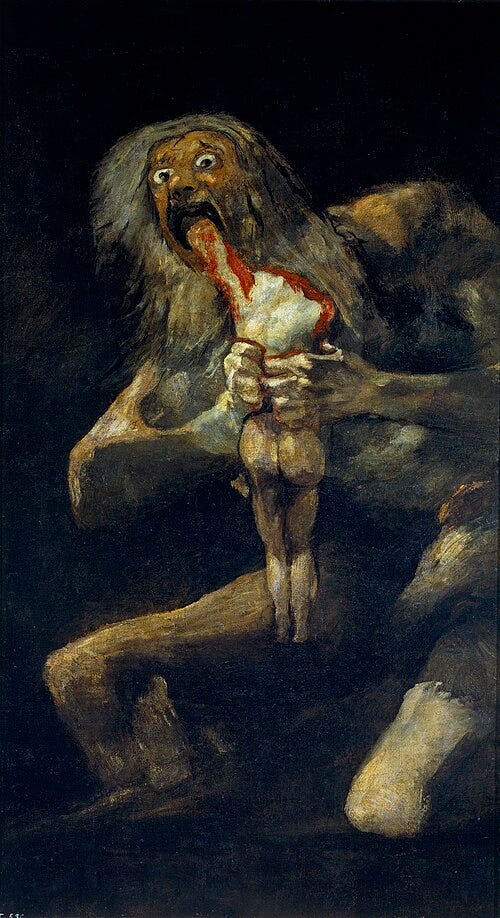
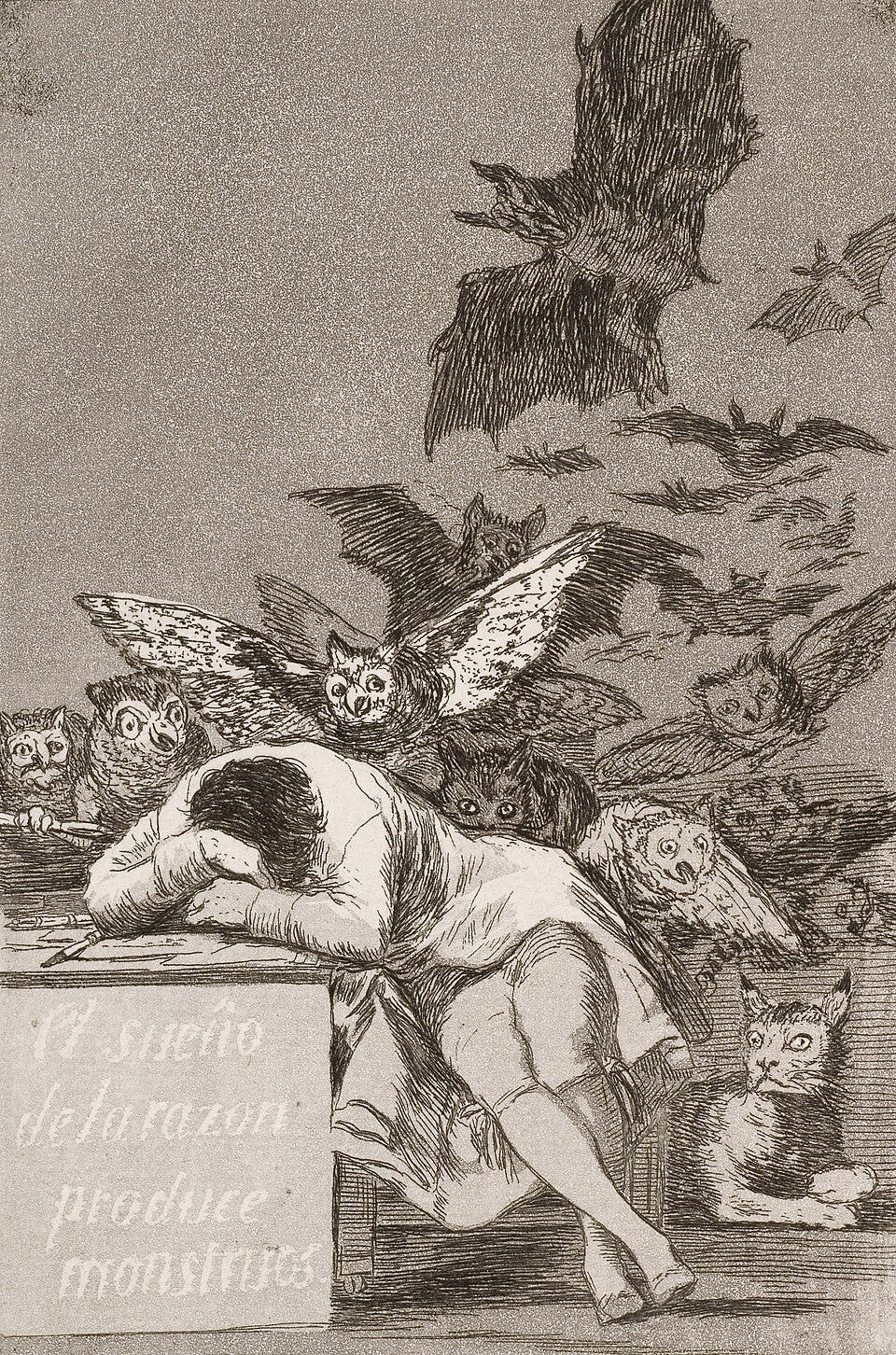
For this second episode of season 5 of Texting, Black Power (Tomek) and El Sueño De La Razón (yours truly) invite you to a virtual exhibition of Francisco Goya’s “Black Paintings.” As they view these 14 (or 15?) artistic productions of the Spanish master’s dementia, your textually deviant guides hope to enhance your own aesthetic experience thereof by providing valuable background information on the techniques of chiaroscuro and tenebroso, conceptions of “the grotesque,” the origin of the peace sign, and the 14 (or 15?) Stations of the Cross, as well as callbacks to previous episodes on Cervantes and Picasso. Towards the end of the pod, the discussion veers off into wild speculations about Hesiod and the origin of myth, but one of the co-hosts (not the one currently based in Formosa) seems to think some of you may actually find that “interesting.” Press play above to listen and/or watch the video if you want to see all the pretty paintings in the slideshow (along with the podcasters’ ugly mugs):
Show Notes
I inadvertently spread some misinformation shortly after the 1-hour mark. Allow me to clarify:
Zeus did not castrate Kronos (a.k.a. Saturn). Rather, Kronos castrated his own father Ouranos (Sky, Heaven). In order to effectuate the overthrow of the Titans (Kronos’ generation) and the coming to power of the Olympians (Zeus’ generation), Zeus forced Kronos to vomit up Zeus’ siblings (i.e., Kronos’ children). Zeus then imprisoned the Titans in Tartarus (the depths of hell, as it were) and from that time forth Zeus’ “new power generation”—the Olympians—reigned supreme.
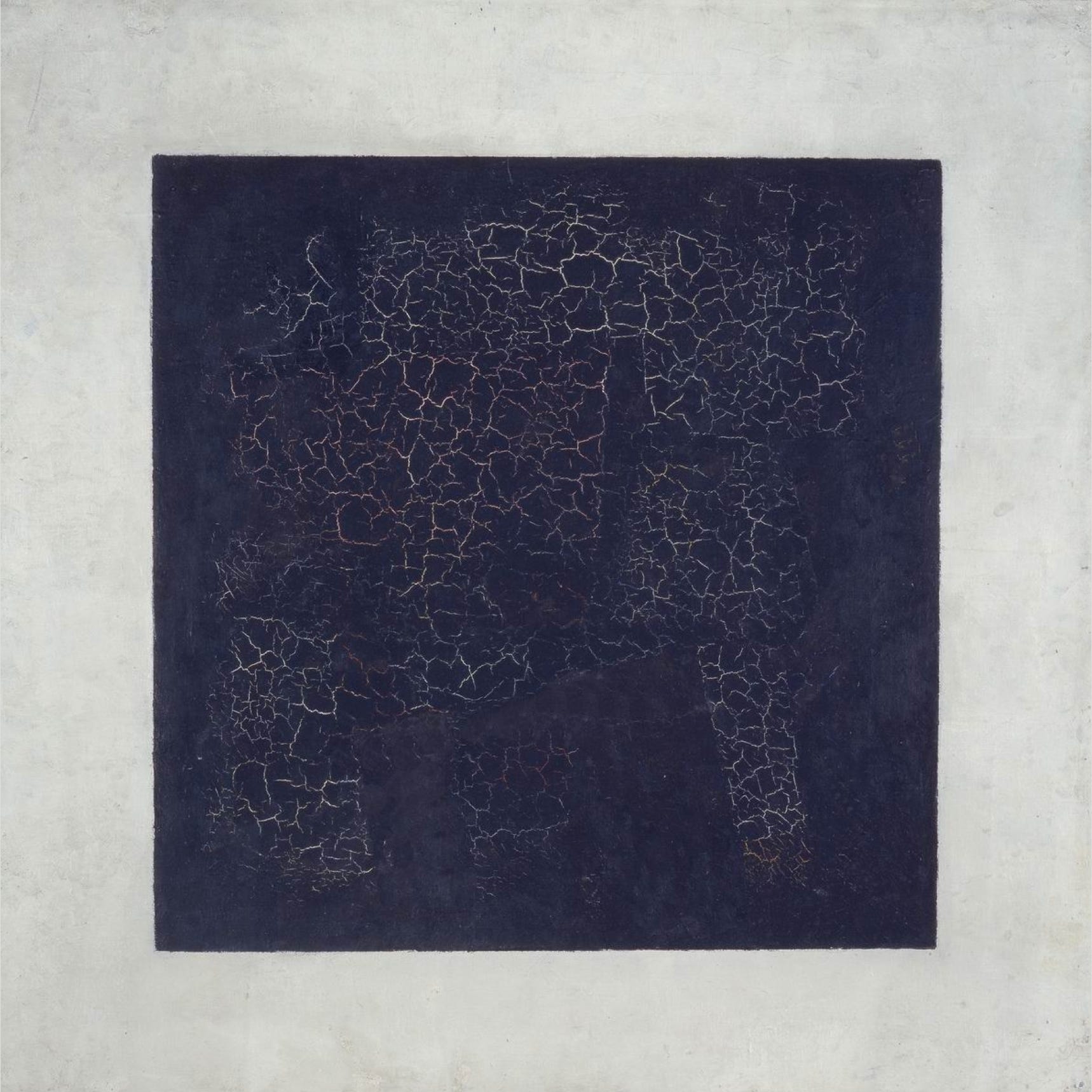
Malevich’s original Black Square (1915) is at the Tretyakov Gallery in Moscow:
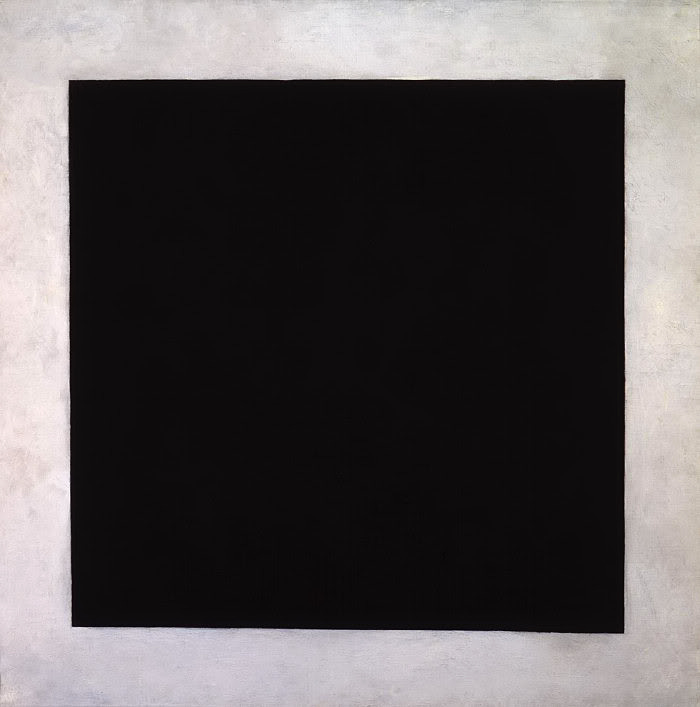
Another version of Black Square (1923?) is at the Russian Museum (not the Hermitage) in St. Petersburg:
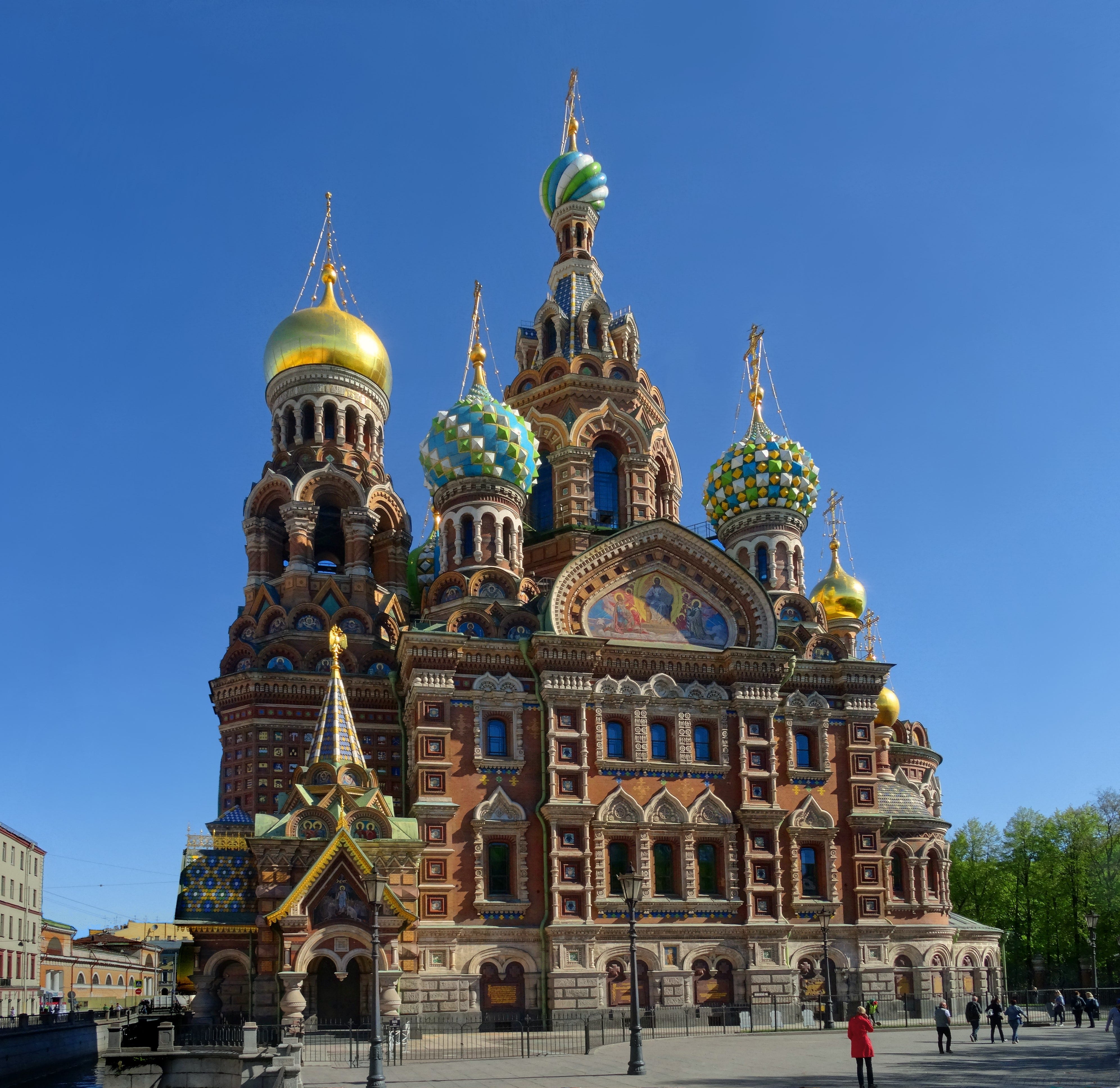
Down the street from the Russian Museum is the Church of the Savior on Spilled Blood (which is a great name):
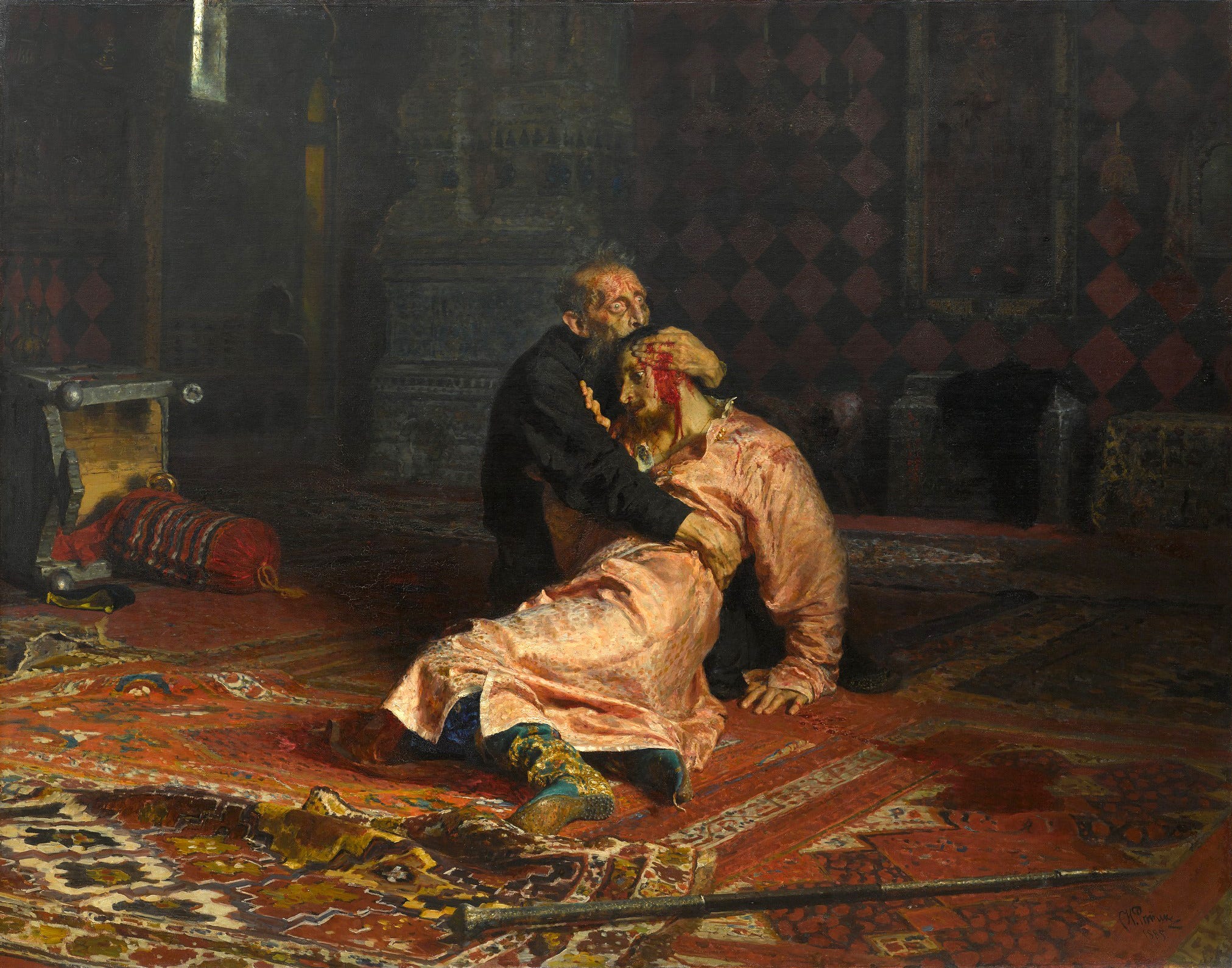
Also at the Tretyakov is Ivan the Terrible and His Son by Ilya Repin:
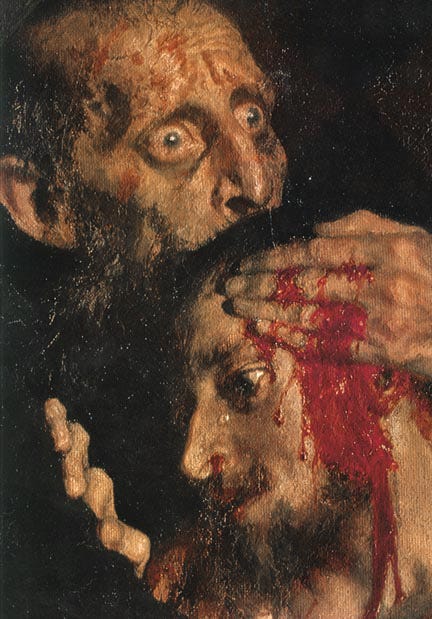
Would you like a close-up view?
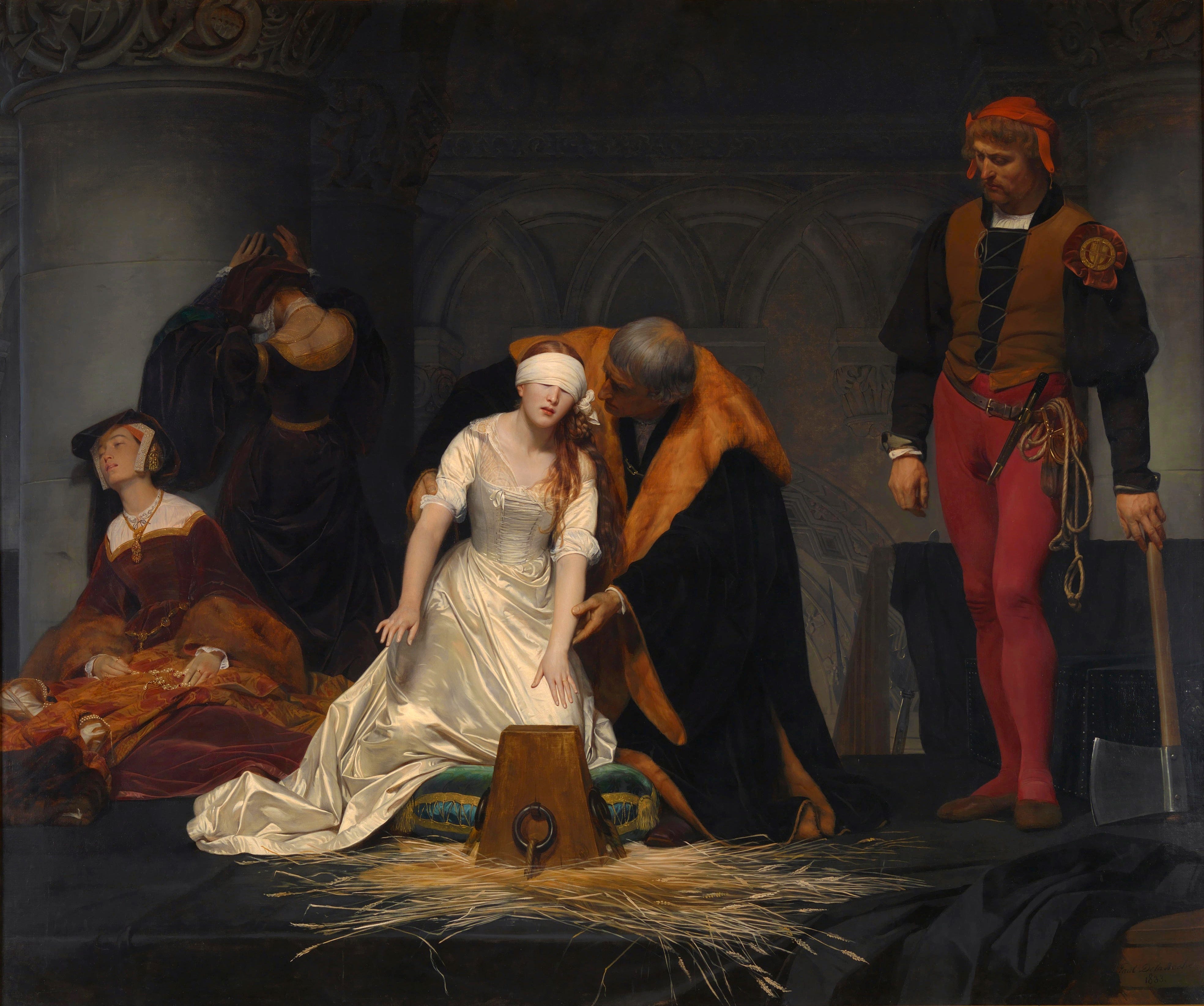
My sweet Lady Jane . . .
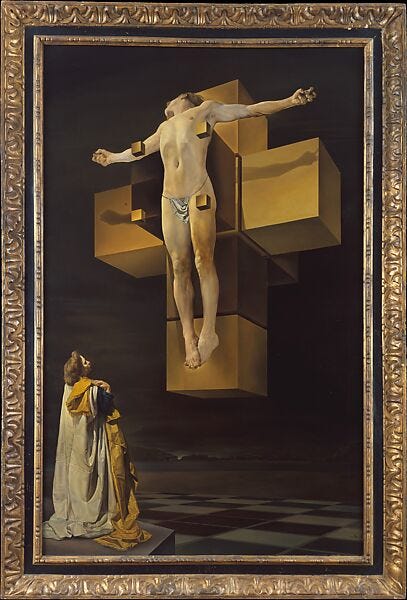
Dali’s abstract crucifixion (with Gala in the bottom left):
Baudelaire on “the last of the old masters, the first of the moderns”:
Goya, nightmare compact of things incredible;
Foetuses being fried for a witch's sabbath feast;
An old woman at a mirror, a little naked girl
Lowering an artful stocking to tempt a devil's lust.
My namesake:
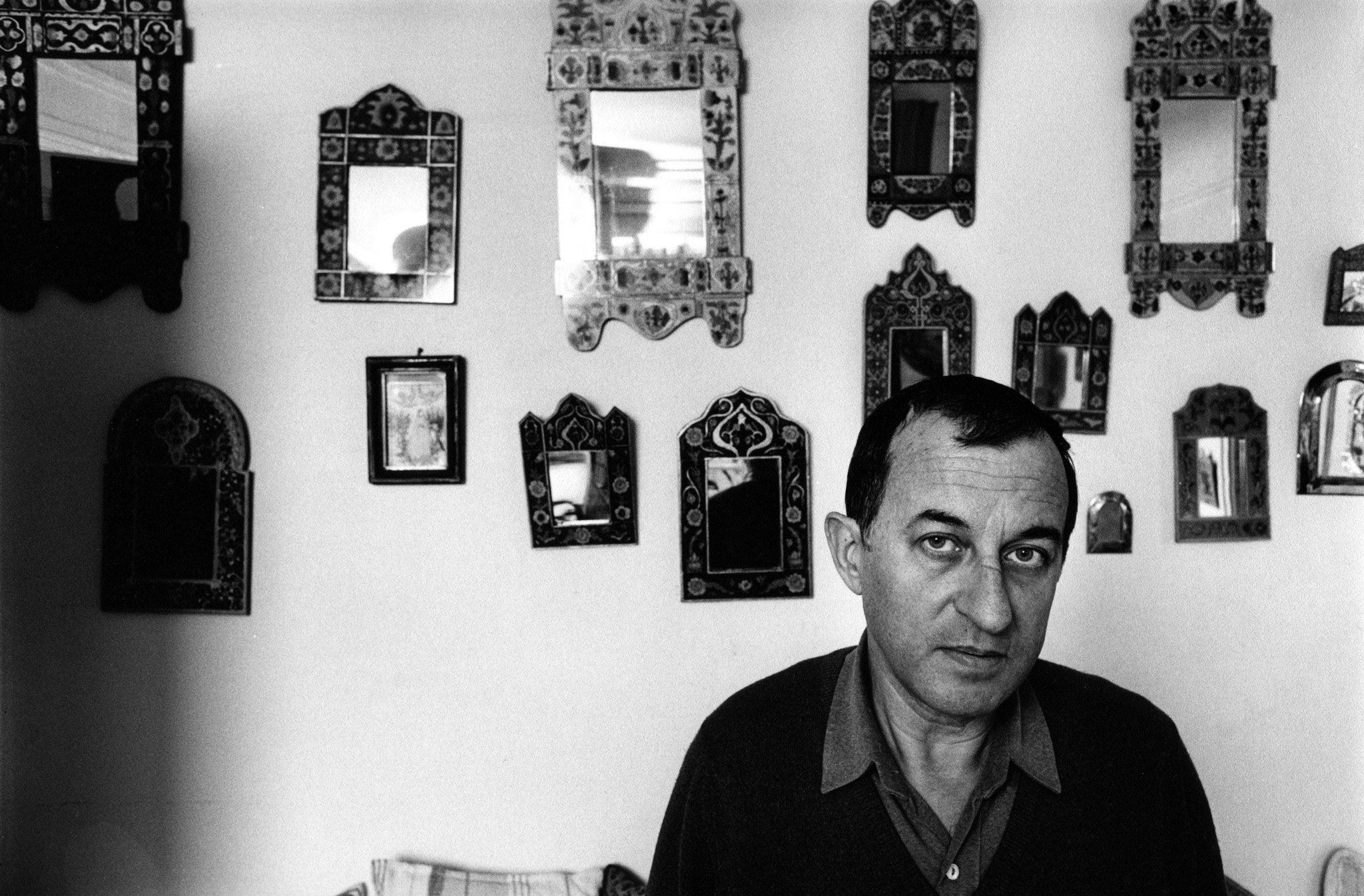
Juan Goytisolo, bad boy of twentieth century Spanish lit: “For decades, my name was more popular in police stations than bookshops, and I do not mean to compliment the literary awareness of Spanish policemen.”
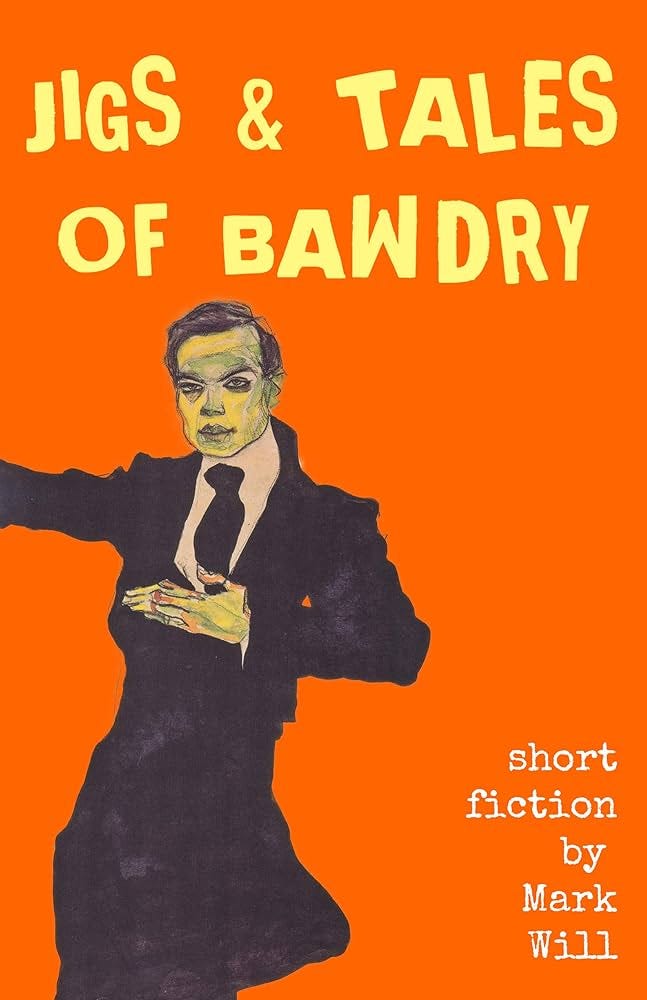
The iconic Goya painting at the top of this post is referenced in my story “In Remembrance of Daryl the Ape,” which is featured in this scandalous collection:
The Next Text
I’m tempted to insist that we focus on Freedom Williams’ toilet rant for S5E3:


