Subtle Insight
Tao Te Ching: Chapter 36

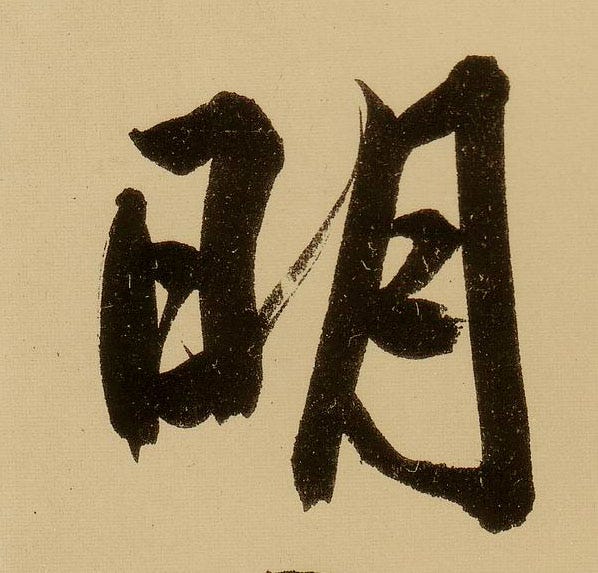
The image above is a calligraphic rendering of 明 (míng), which is translated herein as “insight.” It can also mean “brilliance,” “bright,” “clear,” “clear-sighted,” “to know,” and “to understand.” The character consists of the radical 日 (rì), meaning “sun,” and the element 月 (yuè), meaning “moon.” Since the moon reflects the “brilliance” of the sun, could we say that “insight” consists of transmitting the “knowledge” of a superior source of “light”? And what is the significance of 微 (wēi), here translated as “subtle,” but also meaning “miniature,” “tiny,” and “ultratelescopic”?
The Translation
If you want to shrink it,
You must surely enlarge it.
If you want to weaken it,
You must surely strengthen it.
If you want to abolish it,
You must surely encourage it.
If you want to take it,
You must surely give it.

This is called Subtle Insight.
Soft and Weak overcome Hard and Strong.
Fish cannot escape the watery depths,
And the nation's most powerful weapons should not be shown in public.
The Original
Wang Bi’s original prose:
將欲歙之,必固張之;將欲弱之,必固強之;將欲廢之,必固興之;將欲奪之,必固與之。是謂微明。柔弱勝剛強。魚不可脫於淵,國之利器不可以示人。
Our poetic reformatting:
將欲歙之,
必固張之;
將欲弱之,
必固強之;
將欲廢之,
必固興之;
將欲奪之,
必固與之。

是謂微明。
柔弱勝剛強。
魚不可脫於淵,
國之利器不可以示人。
Terminology
淵 (yuān) - here translated as “watery depths,” it can also mean “deep pool” or “abyss”
示人 (shìrén) - the phrase literally means “show/be shown to people,” but we have translated it as “be shown in public” because of the etymological connection between “people” (< Latin populus) and “public” (< Latin publicus)
Notes
Interestingly, Ursula K. Le Guin refused to include the last two lines of Chapter 36 in her translation. Justifying her editorial decision, she wrote: “This Machiavellian truism seems such an anticlimax to the great theme stated in the first verses that I treat it as an intrusion, perhaps a commentator’s practical example of ‘the small dark light’ [i.e., Subtle Insight].”
Dr. Hong and I were also puzzled by the concluding couplet. After a lengthy discussion, we decided that the last line basically means “the nation’s most powerful weapons should not be used” rather than “the nation’s most powerful weapons should be kept secret so that they may be used more effectively.” We feel that this interpretation is more in keeping with the anti-war sentiments Laozi expresses in Chapter 30 and Chapter 31.
Derek Lin on 微明: “The reason we call these insights subtle is that they seem to be contrary to our habitual thought patterns. To understand them is to become enlightened in the deeper workings of the Tao.”
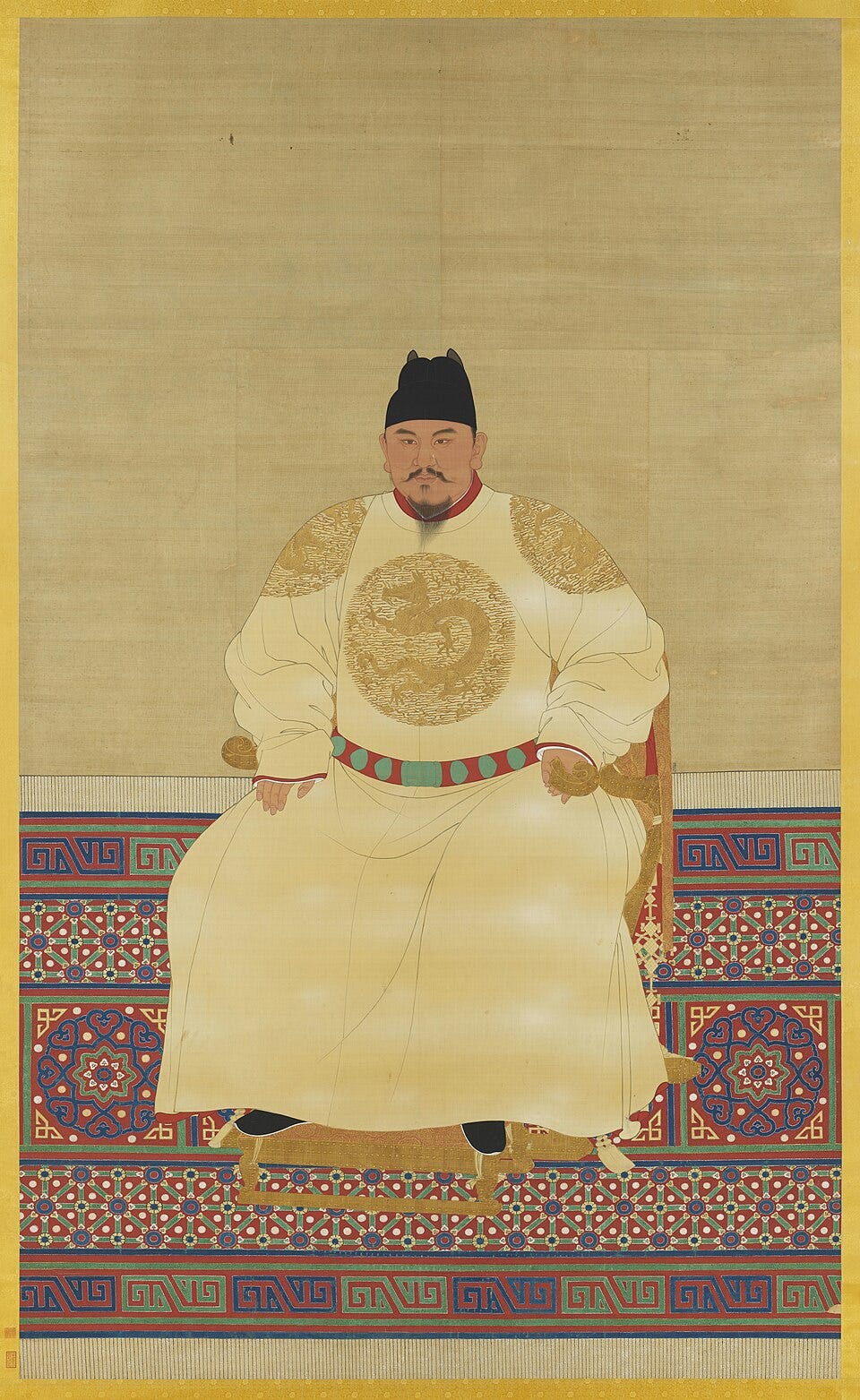
Did the rulers of the Ming Dynasty (大明) which ruled China from 1368 to 1644 exemplify the ideal of “insight” and “brilliance”? Call me an enemy of the state, but I’m guessing they didn’t.