
Nameless Simplicity
Tao Te Ching: Chapter 37

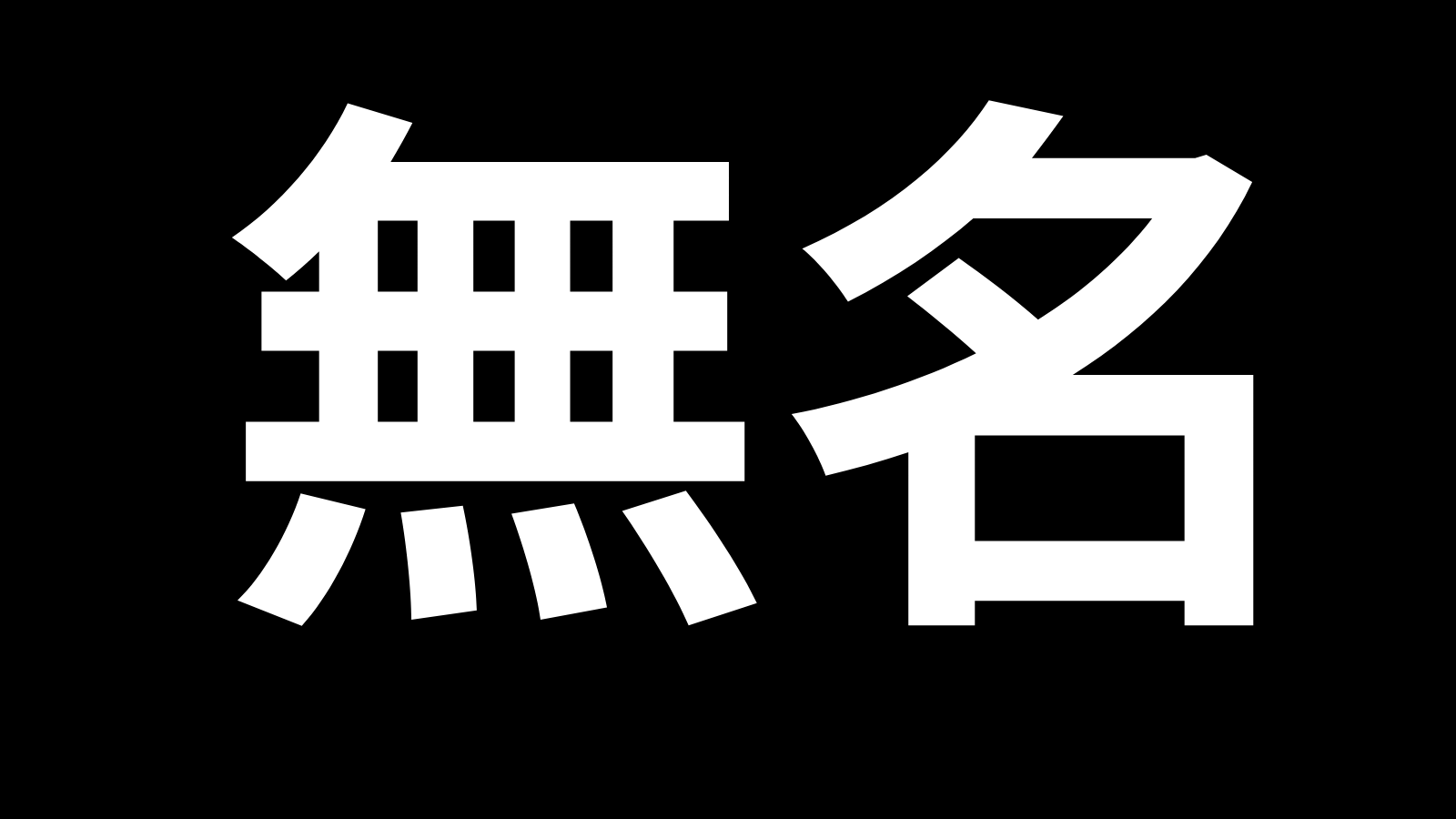
We saw the phrase 無名 (wúmíng)—literally meaning “without name” or “no name,” but typically translated as “nameless”—in the very first chapter of the Tao Te Ching. It appeared again in Chapter 32, where it was used to describe the eternal state of Tao. Here in Chapter 37, 無名 is yoked with “simplicity,” a concept which was introduced in Chapter 15, where the word 樸 (pǔ) was translated as “plain wood.” Tao, apparently characterized by Laozi as anonymous and humble, is able to do everything by doing nothing.
The Translation
Tao always does nothing but there is nothing it does not do.
If princes and kings could abide by it,
Ten Thousand Things would naturally flourish.
If Flourishing were to result in Desire,
I would subdue it with Nameless Simplicity.
In Nameless Simplicity,
A man would be without Desire.
Without Desire, in a state of Calm,
Everything under Heaven would naturally be stabilized.
The Original
Wang Bi’s original prose:
道常無為而無不為。侯王若能守之,萬物將自化。化而欲作,吾將鎮之以無名之樸。無名之樸,夫亦將無欲。不欲以靜,天下將自定。
Our poetic reformatting:
道常無為而無不為。
侯王若能守之,
萬物將自化。
化而欲作,
吾將鎮之以無名之樸。
無名之樸,
夫亦將無欲。
不欲以靜,
天下將自定。
Terminology
化 (huà) - I originally translated this as “be transformed”/“transformation,” but Dr. Hong convinced me that the archaic meaning of “flourish”/“flourishing” is more appropriate, almost as if 化 (huà) were related to 花 (huā), meaning “flower.”
自(zì) = Here translated as “naturally,” this word could also mean “automatically.”
無欲 (wúyù) - This phrase, translated as “without desire,” has appeared throughout the Tao Te Ching.
Notes
In some versions of Wang Bi’s text, the last word of Chapter 37 is 正 (zhèng). The last line could thus be translated: “Everything under Heaven would naturally be rectified.”
Ursula K. Le Guin beautifully summarizes this chapter: “Here the themes of not doing and not wanting, the unnamed and the unshapen, recur together in one pure legato. It is wonderful how by negatives and privatives Lao Tzu gives a sense of serene, inexhaustible fullness of being.”
Derek Lin on “nameless simplicity”: “In these situations, we can restore balance by applying pu, the principle of plainness and simplicity. The fundamental nature of the nameless Tao is plain and simple. This total absence of contrivance and complexity lessens the urge to overreact and moderates desires.”