
Existence Is Born from Non-Existence
Tao Te Ching: Chapter 40

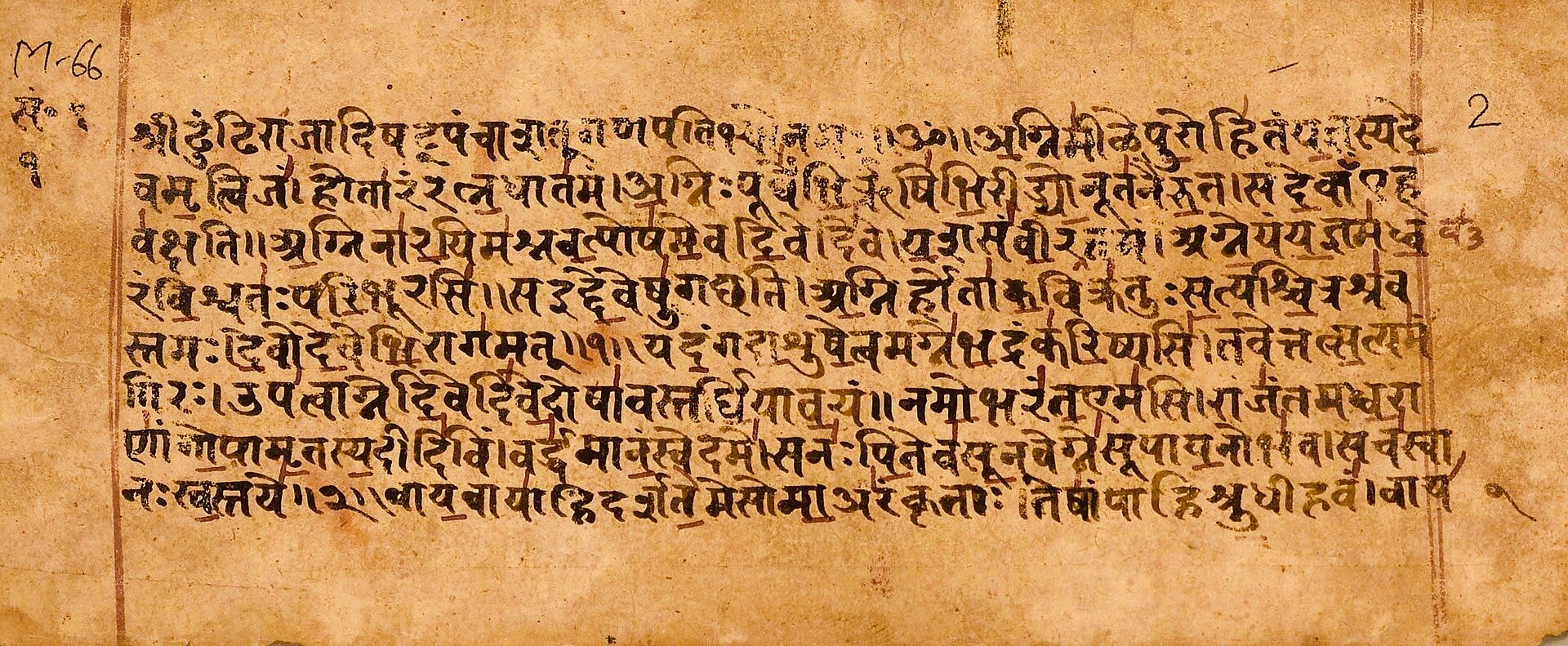
Searching in their hearts through inspired thinking,
poets found the connection of the existent in the non-existent.
—Rig Veda, 10.129
The terms 有 (yǒu) and 無 (wú) are fundamental to an understanding of this week’s dose of Tao. We encountered these opposites for the first time in Chapter 2, where they were translated as “Something” and “Nothing.” In Chapter 11, they appeared again but were translated with the Hemingwayesque “Having” and “Not Having.” Here in Chapter 40, we have opted for the Vedic interpretation of “Existence” and “Non-Existence.” Other possible pairings include “Being” and “Non-Being” or the Sartrean “Being” and “Nothingness.” Which do you prefer?
The Translation
That which is contrary is Tao's movement:
That which is weak is Tao's utility.
Under Heaven, Ten Thousand Things are born from Existence:
Existence is born from Non-Existence.
The Original
Wang Bi’s original prose:
反者道之動;弱者道之用。天下萬物生於有,有生於無。
Our poetic reformatting:
反者道之動;
弱者道之用。
天下萬物生於有,
有生於無。
Terminology
反 (fǎn) - here translated as “contrary,” the word can also mean “opposite,” “anti-,” “counter-”
弱 (ruò) - here translated as “weak,” the word can also mean “inferior,” “young”
Notes
According to the Vedic hymnist, there was a time when not even the Existence/Non-Existence dichotomy existed:
There was neither non-existence nor existence then;
Neither the realm of space, nor the sky which is beyond;
What stirred? Where? In whose protection?
The great Roman poet Lucretius expresses a somewhat different view in Book 1 of his De Rerum Natura:
nil igitur fieri de nilo posse fatendumst . . .
(It must therefore be confessed that nothing can be made from nothing.)